Shared boat ownership: How to make it work
Sharing a boat can make ownership more affordable and enjoyable. Learn how to manage bookings, costs, maintenance, responsibilities, and decisions so shared boat ownership works smoothly.
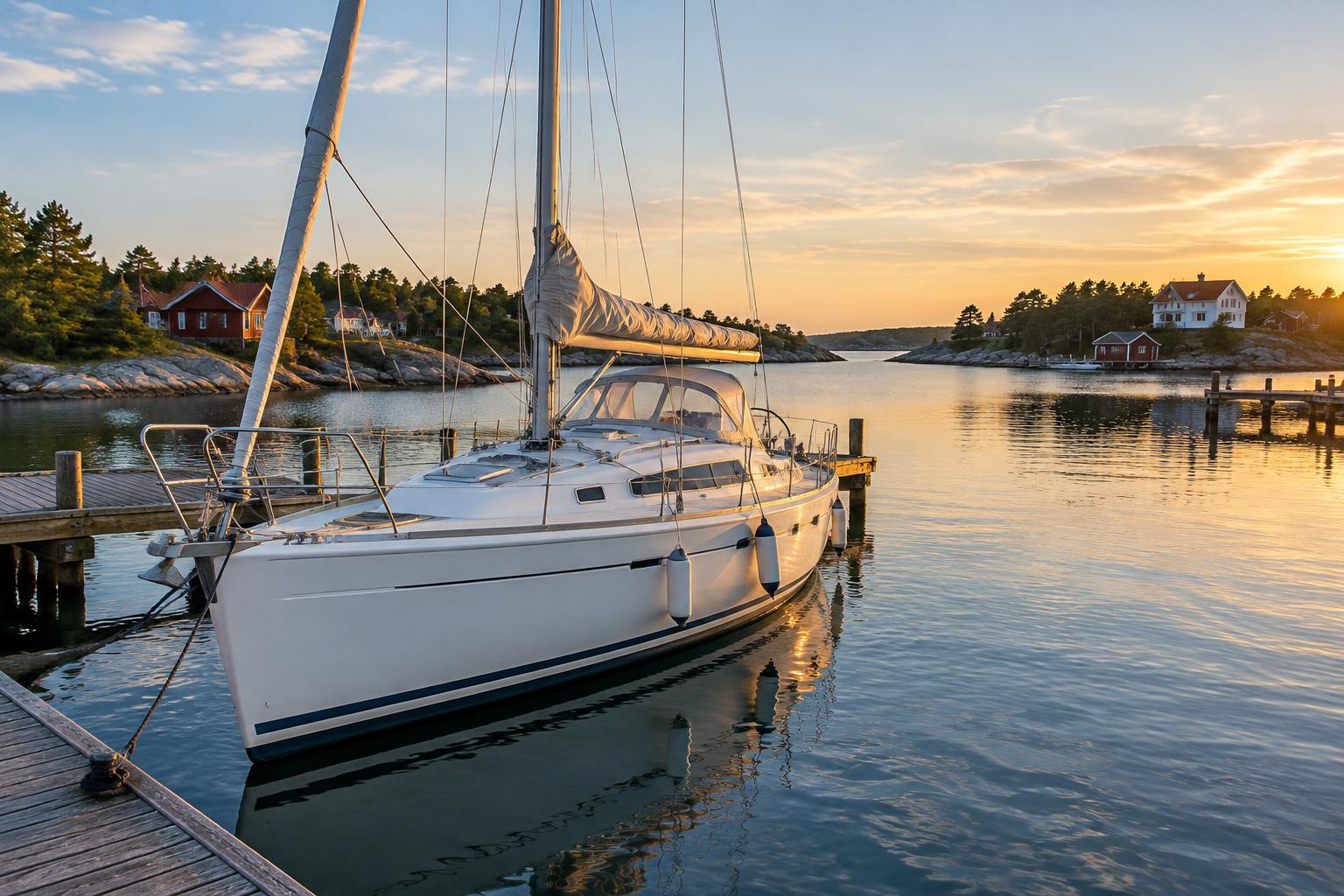
Owning a boat is often about freedom.
A quiet morning on the water. A weekend away. Long summer evenings that don't need much of a plan.
But boat ownership also comes with something less romantic: cost, maintenance, planning, and a surprising amount of time when the boat isn't being used.
Sharing ownership can change that equation.
Costs are divided. The boat gets used more. Maintenance can be shared. And something that might be difficult or expensive to own alone becomes possible together.
The idea is simple. Making it work well requires a little structure.
Why share a boat?
Boats are particularly well suited to shared ownership.
Unlike a home, most recreational boats are only used for a fraction of the year. Even during the boating season, a boat may spend far more time at the dock than out on the water.
Sharing can mean:
- Lower purchase cost per owner
- Shared insurance, marina, and maintenance costs
- More people to help with upkeep
- Better use of the boat over the season
But sharing also introduces questions that individual boat owners never need to ask.
Who gets the boat on the first sunny weekend in July?
Who fills the fuel tank?
Who notices that the engine needs servicing?
And who pays when something breaks?
These questions are easy to manage when expectations are clear.
Agree on how the boat will be used
With a shared vacation home, bookings often happen in blocks of several days or weeks. Boats can be different.
Someone may want it for an afternoon. Another owner may want a full week. Good weather can suddenly make the same weekend attractive to everyone.
That makes a clear booking process especially important.
A practical model might include:
- Rotation for the most desirable holiday periods
- First-come-first-served for standard bookings
- A limit on how far in advance certain dates can be booked
- Clear rules for longer trips
- A shared calendar where everyone sees availability
You may also want rules for cancellations. If someone releases a popular weekend two days before departure, should another owner automatically get access?
There is no single correct model. What matters is that everyone knows how it works before the sun comes out.
Many of the same principles apply to vacation homes. Our guide on avoiding conflict when co-owning a property looks more closely at how clear booking rules can prevent conflict in shared ownership.
Decide how costs will be shared
The purchase price is only one part of boat ownership. Depending on the boat, ongoing costs may include:
- Insurance
- Marina or mooring fees
- Winter storage
- Engine servicing
- Antifouling and hull maintenance
- Equipment and safety gear
- Fuel
- Repairs
The simplest approach is often to distinguish between fixed costs and usage-related costs.
Fixed costs such as insurance, storage, and scheduled servicing can be divided equally or by ownership share.
Usage-related costs such as fuel can follow whoever used the boat.
Some costs sit somewhere in between. If the engine needs repair, for example, is that normal maintenance shared by everyone or the responsibility of the person using the boat when the problem appeared? Agreeing on those principles early is much easier than debating them after an invoice arrives.
Our guide on splitting costs in shared ownership explores different ways to split costs fairly in shared ownership.
Make maintenance everyone's responsibility
Boats need attention. Engines need servicing. Batteries need checking. Hulls need cleaning. Equipment wears out. At the end of the season, the boat may need to be lifted, winterized, covered, and stored.
In a shared boat, there is an additional risk: Everyone assumes someone else is taking care of it.
A simple maintenance plan avoids that. List the recurring tasks, decide how often they need to happen, and assign responsibility.
For example:
- Spring: launch preparation and safety check
- During the season: cleaning, fuel, and basic inspections
- Autumn: haul-out and winterization
- Winter: servicing, repairs, and preparation for next season
Responsibilities can rotate. What matters is that every important task has an owner.
Agree on the handover routine
One thing that makes boats different from many other shared assets is that condition can change from one trip to the next. A good handover routine helps the next owner know what to expect.
It can be very simple:
- Leave the boat clean
- Refill fuel according to the agreed rule
- Return equipment to its place
- Record any damage or problems
- Report anything that needs attention
If something feels different with the engine, navigation equipment, batteries, or rigging, record it immediately. Small observations are much easier to deal with than unexpected problems on the next owner's trip.
Be clear about damage and repairs
Sooner or later, something will break. Usually, nobody has done anything wrong. Boat equipment simply wears out.
But there is an important distinction between ordinary wear and damage caused during use. The owners should agree beforehand on questions such as:
- Who pays for normal wear and maintenance?
- Who pays when damage results from an accident?
- Is there an insurance excess, and who pays it?
- Can one owner authorize an urgent repair?
- Above what amount must everyone approve the work?
The purpose is not to assign blame. It's to remove uncertainty when something happens.
The same principle applies to larger shared decisions. Our guide on co-ownership agreements explains how a simple co-ownership agreement can make responsibilities and decision rules clearer.
Decide who can use the boat
This deserves its own conversation. Can family members use the boat without an owner present? What about friends? Can someone lend it to another person?
Does the person operating the boat need specific experience, qualifications, or knowledge of the vessel? Whatever you agree, make the rule explicit.
A boat handed over to someone else creates questions about safety, insurance, responsibility, and damage that are better answered in advance.
Keep important information in one place
Shared ownership becomes harder when information is scattered. One maintenance record sits in somebody's email.
Bookings are in a calendar. Expenses are in a spreadsheet. A photo of a receipt is somewhere in a group chat. Individually, each tool works.
Together, they can make it difficult to see the full picture.
At minimum, all owners should have easy access to:
- Current bookings
- Expenses and balances
- Maintenance history
- Upcoming tasks
- Important decisions
- Practical information about the boat
If you're considering how to organize this digitally, our guide to the best apps for managing shared property compares the most common approaches to managing shared property.
Talk about the future while everything is working
There is one conversation co-owners often postpone. What happens when someone wants to leave? It may not feel relevant when everyone has just bought the boat and is looking forward to the first season.
But circumstances change. Someone moves, a family grows, finances change, interests change.
Agree in advance on:
- How an owner can sell their share
- Whether existing owners get first refusal
- How the share will be valued
- How a replacement co-owner is approved
It's easier to agree on an exit process when nobody is trying to exit.
How HavenShare helps
HavenShare is built for the everyday coordination that shared boat ownership requires.
Bookings are kept in one shared calendar. Costs can be recorded and divided between owners. Maintenance and other tasks can be assigned. Important decisions can be proposed and documented.
Everyone sees the same picture without one person having to keep everything together.
The result is less administration and fewer misunderstandings — leaving more time for the reason you bought the boat in the first place.
You can create a free account and invite your co-owners in a couple of minutes. See the pricing page for how the Admin and Member plans work.
In closing
Shared boat ownership works best when the practical things are handled before they become problems.
A clear booking system, a fair way to share costs, visible maintenance responsibilities and simple rules for damage, decisions, and future changes.
None of it needs to be complicated.
Put that structure in place, and sharing a boat can give you most of what makes ownership enjoyable — with less of the cost and work carried by one person.
Then, when the weather is right, there's only one question left.
Who's taking the boat out?
Ready to share, the easy way?
Set up your first shared haven in minutes. Invite your circle for free.
Keep reading

How to avoid conflict when co-owning a property
Most conflicts in shared ownership are preventable. Learn the practical habits, structures, and agreements that help families and friends co-own property successfully for years to come.

The best way to split costs in a shared property
A practical guide to splitting costs fairly when co-owning a vacation home or boat — simple models, common pitfalls, and how to avoid tension over money.

What is a co-ownership agreement? (Checklist included)
A practical guide to co-ownership agreements for vacation homes, cabins, and boats. Learn what to include, why it matters, and download a simple checklist.